When Replacement Beats Repair
Individual repairs make sense for isolated problems. Replacement earns its keep when failures multiply: rust freckling along multiple runs, seams that re-open every winter, sections pulling away from soft fascia, or standing water in runs that have lost their pitch. Each is fixable alone — together, they signal a system at the end of its service life.
- Rust or corrosion in more than one section — on coastal streets, salt air accelerates this well past the normal timeline.
- Sagging runs or separated seams — sectional systems fail joint by joint; every joint is a future leak.
- Fascia or soffit rot behind the gutter — a sign water has been getting behind the system for years.
- Basement dampness after storms — overflow at the roof edge shows up at the foundation first in Quincy's clay-heavy soils.
What Replacement Involves
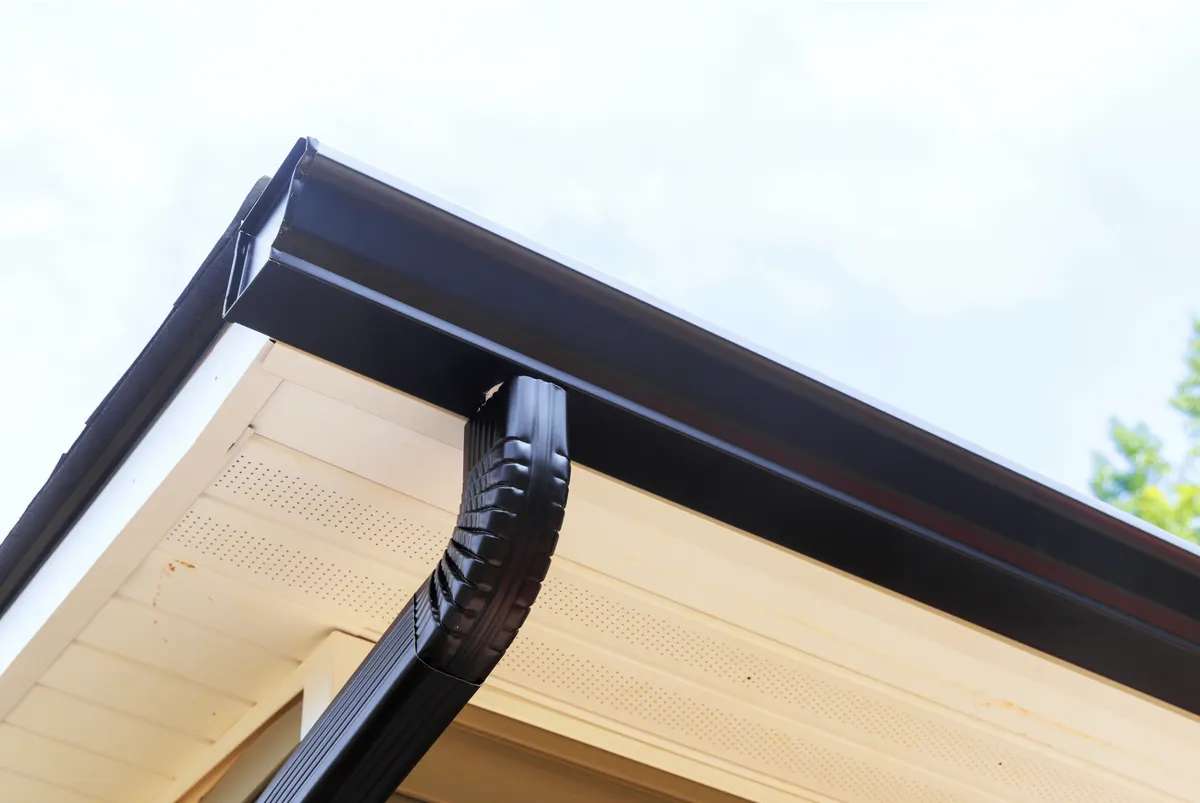
A full replacement strips the old system, inspects and repairs fascia, then hangs new seamless runs formed on-site to the exact roofline — typically 5-inch or 6-inch K-style aluminum, with downspout capacity sized for Boston-area rainfall of 43.6 inches a year. Homes under heavy canopy usually pair replacement with micro-mesh guards so the new system stays clear from day one.
Climate data: NWS Boston normals.
Request a Free Estimate
Prefer to talk now? Call (617) 752-0673 — or send the details and a local specialist will reach out.
Request received.
A local specialist will reach out shortly. Urgent? Call (617) 752-0673.
Replacement Cost by Material (Boston Area)
| Material | Cost per linear foot | Best for |
|---|---|---|
| Vinyl | $5–$9 | Budget projects; shorter lifespan in freeze-thaw climates |
| Seamless aluminum | $8–$13 | The South Shore standard — light, rust-resistant, color-matched |
| Galvanized steel | $8.50–$9.50 | Impact resistance; heavier snow-load areas |
| Copper | $35–$38 | Historic and coastal homes — see copper gutters |
How a Replacement Runs
Assessment & measurement
Roofline measured, fascia checked for rot, downspout locations planned for the lot's drainage.
Old system removal
Sectional runs come down; hidden fascia damage gets addressed before anything new goes up.
On-site seamless forming
New runs are rolled to exact length at the house — no factory joints, no mid-run seams.
Hang, pitch & test
Hangers set to structure, runs pitched to the downspouts, and the system water-tested before sign-off.
Replacing anyway? Price the guards at the same time.
Adding micro-mesh protection during a replacement costs less than a separate visit later — and the new system never gets its first clog. See guard options →